Rarely do I engage in my blogs on political issues since these are primarily for my classes, but I heard something on NPR coming to work today that forced me to pause and post. I heard an interview with Jon Meacham, an editor for Newsweek magazine, who was commenting on Obama's most critical experience. Meacham asserted that Obama's growing up in Indonesia has been extremely important since he could be the first president to have been on the "receiving" end of American influences.
WOW--this idea suggests to me that Obama's potential presidency--besides issues of race (which I believe are and should be irrelevant) is really about post-colonialism and--as many critics have asserted--an opportunity to "speak back to the empire."
As I think about this concept--that Obama could be the first "post-colonial" president--I begin to think that one of the conflicts we are seeing played out between Obama and McCain is the exact same conflicts post-colonial theorists are writing about. Consider the dynamics: McCain has all the trappings of the empire: his age, his wealth, his power, his military history. Obama, on the other hand, is the "colonized" nation: young, vibrant, rich in resources (I would point to his powerful rhetoric and his intelligence)--but "other." For the empire (aka McCain) this "talking back" (Obama's challenges on all of McCain's significant platform issues) is threatening and disconcerting.
And let's not overlook the addition of Sarah Palin to the ticket. She, too, is emblematic of the "empire": first--she is clearly on the ticket to validate the "man's" place. Secondly--her intellectual deference to McCain further reinforces the role of the "man"--and by extension, the empire. Thirdly--she brings to the ticked the accoutrement that asserts the "man's place": her obvious display of role of wife and mother; her assertions about cooking moose and elk; her favoring of guns (I don't want to go down the Freudian bunny trail here--I will leave that for later). . . .I think readers get this point.
And Obama is--for all intents and purposes--the "poster-child" for post-colonial: he is exotic and mysterious--from his ethic mix to his name. He is threatening with his hard questions back to the authority. Obama is, as Bill Ashcroft describes post-colonial characteristics, "uncentred, pluralistic, and multifarious." And I am convinced that these aspects of Obama's character and his campaign are what so many find disturbing about him, instead of his policies. Why else would there be outright lies running rampantly across the web about his being a Muslim? Why else would there be a tempest in a teapot over the fist bump between Obama and his wife? Why else would there be misapplication of labels of Obama as a "socialist" or a partner with a "terrorist."
What would be the result of a post-colonial president? I hope that there will be a re-energizing of American democracy. I look for broader inclusion of different voices in our American experiment. Ironically--I believe a post-colonial president Obama would more emphatically validate the notion we've heard from Puritan times through this election cycle: the United States is a shining beacon to the world. What better way to make the light shine brightly than to show how American values respect--even embrace--other into the fabric of our nation.
30 October, 2008
16 May, 2008
This, I Believe
Sam Keen wrote the book about 30 years ago now, The Apology for Wonder. Sam's purpose was to encourage us--in the last quarter of the 20th century--to take a moment, suspend our rational minds, and simply allow awe to happen. He seemed to believe this defense was necessary since we--as American specifically and humans, in general--seem to have become jaded and disconnected from the ability to experience awe.
I think it is time to be reminded of Sam's intent and I want to assert my belief in awe. Wordsworth told us two centuries ago about the splender in a blade of grass. I remember the awe-inspiring moments of my life--ranging from seeing the pictures of the mushroom clouds of nuclear explosions to Neil Armstrong's steps to the births of my daughters. All were awe-inspiring.
I've seen a rainbow disappear into Lake Innisfree and a golden hue be cast along the trees and the road as I drove home from work and the sun was lowering in the west right here in central North Caroline. I've been moved to tears in the anticipation of vacationing with my family and hearing Beethoven's "Ode to Joy" as I hurried to be with them. I stood with my wife at Disney's Hollywood Studios in December and watched fake snow float around us, while listening to Johnny Mathis', "A Christman Song." I thought my heart would burst with the awe and joy of that moment.
I really believe in awe and in our earnest attempt to save it. My teenage and pre-teen daughters use "awesome" so promiscuously . They need to learn what "awe" really is. Their entire generation needs the lesson. They are connected 24/7 and are so bombarded with images and experiences that they are--as Pink Floyd told us two generations ago, "comfortably numb."
What can we do to save "awe"? I think the answer may be in the cliche that "less is more." Perhaps we need to indulge are children less. Perhaps we need to turn off their connections. We can exercise the power of our index finger and turn TV and PCs "off" and let our children simply stop for a moment and reflect. I believe that through encouraging reflection, we can rehabilitate "awe."
Think about it: when was the last time we really enjoyed silence? When was the last time we simply stood quitely in the trees and marveled at the nuances of green in srping? When was the last time we delighted at something as simple as bluebird darting by? These are simple things, but they are also awe-inspiring when we take the time to pause and reflect. And that, I believe, is the core of "awe": taking the time to delight in simple things--like sky and water and trees and time together, instead of always rushing to the next experience. Pause, reflect, and experience awe. It is really so simple. . .
I think it is time to be reminded of Sam's intent and I want to assert my belief in awe. Wordsworth told us two centuries ago about the splender in a blade of grass. I remember the awe-inspiring moments of my life--ranging from seeing the pictures of the mushroom clouds of nuclear explosions to Neil Armstrong's steps to the births of my daughters. All were awe-inspiring.
I've seen a rainbow disappear into Lake Innisfree
and a golden hue be cast along the trees and the road as I drove home from work and the sun was lowering in the west right here in central North Caroline. I've been moved to tears in the anticipation of vacationing with my family and hearing Beethoven's "Ode to Joy" as I hurried to be with them. I stood with my wife at Disney's Hollywood Studios in December and watched fake snow float around us, while listening to Johnny Mathis', "A Christman Song." I thought my heart would burst with the awe and joy of that moment.I really believe in awe and in our earnest attempt to save it. My teenage and pre-teen daughters use "awesome" so promiscuously
. They need to learn what "awe" really is. Their entire generation needs the lesson. They are connected 24/7 and are so bombarded with images and experiences that they are--as Pink Floyd told us two generations ago, "comfortably numb."What can we do to save "awe"? I think the answer may be in the cliche that "less is more." Perhaps we need to indulge are children less. Perhaps we need to turn off their connections. We can exercise the power of our index finger and turn TV and PCs "off" and let our children simply stop for a moment and reflect. I believe that through encouraging reflection, we can rehabilitate "awe."
Think about it: when was the last time we really enjoyed silence? When was the last time we simply stood quitely in the trees and marveled at the nuances of green in srping? When was the last time we delighted at something as simple as bluebird darting by? These are simple things, but they are also awe-inspiring when we take the time to pause and reflect. And that, I believe, is the core of "awe": taking the time to delight in simple things--like sky and water and trees and time together, instead of always rushing to the next experience. Pause, reflect, and experience awe. It is really so simple. . .


25 February, 2008
Why My Life Would the Sci-Fi/ Fantasy Genre
I was visiting "The Pen. . . " blog site and was prompted by a random question: What "genre" of film or literature would I be? I thought and dug around a little online and I found this quote, attribute to Rod Serling: "science fiction makes the implausible possible, while science fantasy makes the impossible plausible." The last ling, "makes the impossible plausible, " resonated with me. When I look at my life and look where I am now, I can't help but think that the arch of my life has been the making of something "impossible, plausible"!
Most obviously is my lovely wife, Thelma. Who would ever have thought that at 40, I would meet someone as lovely, brilliant, and funny--who was 15 years my younger--and who would love me with a depth that I've longed for my entire life. The impossible became plausible when she agreed to marry me and on October 19, 1993, we became husband and wife. I love her more and more each day.
My five daughters are something that would have seemed impossible for me--yet here they all are! Tessa is the oldest and is extemely smart and talented. She was the only non-music major to have a senior recital before her graduation from Warren Wilson College. Erin, my second, is just as smart as her older sister. The middle daughter, Amanda, came with Thelma from Thelma's first marriage. Amanda, my middle daughter, is funny and charismatic, very much like her mother. Marissa came about seven years after Amanda, so she have taken on the birth order of "the oldest" in her personality. Indeed, I see a great deal of the younger Tessa in Marissa. Natalie is the baby and was quite a surprise. . . as she still is to this very day! We never know what quip she may come up with, but it will always surprise. All of these girls validate for me the idea of "making the impossible plausible"!
My career is certainly the making of sci-fi/fantasy! Who would have ever thought that the shy, bookworn in the back of the room would be known by some of the students where I work as "the wise old owl"? Who would have ever thought when I was in high school that I would earn a Ph.D. in rhetoric and composition? Who would ever have thought the impossible thought when I was in college that I would "grow up" to be a college associate dean? Every step of my career seems to be the "impossible being made plausible."
I could add to the list a variety of life experiences that seem "the impossible becoming plausible": the places I've travelled, the people I've meet, the work I've done--all of these speak to the openning assertion about the "impossible becoming plausible." So--what would you be if you were a "genre"?
Most obviously is my lovely wife, Thelma. Who would ever have thought that at 40, I would meet someone as lovely, brilliant, and funny--who was 15 years my younger--and who would love me with a depth that I've longed for my entire life. The impossible became plausible when she agreed to marry me and on October 19, 1993, we became husband and wife. I love her more and more each day.
My five daughters are something that would have seemed impossible for me--yet here they all are! Tessa is the oldest and is extemely smart and talented. She was the only non-music major to have a senior recital before her graduation from Warren Wilson College. Erin, my second, is just as smart as her older sister. The middle daughter, Amanda, came with Thelma from Thelma's first marriage. Amanda, my middle daughter, is funny and charismatic, very much like her mother. Marissa came about seven years after Amanda, so she have taken on the birth order of "the oldest" in her personality. Indeed, I see a great deal of the younger Tessa in Marissa. Natalie is the baby and was quite a surprise. . . as she still is to this very day! We never know what quip she may come up with, but it will always surprise. All of these girls validate for me the idea of "making the impossible plausible"!
My career is certainly the making of sci-fi/fantasy! Who would have ever thought that the shy, bookworn in the back of the room would be known by some of the students where I work as "the wise old owl"? Who would have ever thought when I was in high school that I would earn a Ph.D. in rhetoric and composition? Who would ever have thought the impossible thought when I was in college that I would "grow up" to be a college associate dean? Every step of my career seems to be the "impossible being made plausible."
I could add to the list a variety of life experiences that seem "the impossible becoming plausible": the places I've travelled, the people I've meet, the work I've done--all of these speak to the openning assertion about the "impossible becoming plausible." So--what would you be if you were a "genre"?
04 December, 2006
Reaction to Prompt: Page 345 #2
Visitors to my web presence at http://www.myspace.com/marks_expository_writing are used to seeing pictures of the family. And the text prompt is asking us to consider how often the pictures we have are "consistent with. . .actual, lived reality." This question poses two very different reactions from me: on one hand, of course the pictures I have--and that most of us have--are note representations of the "acutal, lived reality." Yet, the more I think about the nature of the question, I have to say that, indeed, there is "actual, lived reality" in most of the pictures that I have.
Now, consider the first position: You can see the pictures I am exampling below:
Of course, the pictures you see are not part of a "lived reality" that my wife and I share. We are not "goth" by any stretch of the imagination; however, visitors who look at these pictures may think as much. We do enjoy Halloween, like a growing number of adults. We've discovered the fun of dress up and the social opportunities with friends and acquaintances. However, other than the week of Halloween, what these pictures depict are not "lived reality."
However, I have to add, in truth, these pictures DO present "representations consistent with [my] actual, lived reality." In fact, I believe that the pictures depict a more compelling reality about the nature of my relationship with my wife. In these pictures, if viewers look past the effects of costuming and staging, they will see the reality of our relationship. Careful viewers will be peering into the reality of our relationship: a reality that is far more important than the surface. Let me tease this reality out for you.
First, these pictures depict the joy we have with each other. Too often, adult relationships reduce to habit. There is little of habit between my wife and myself. And these pictures capture, I believe, the sheer joy we have within each other's company. Whether we are hamming it up in Halloween regalia in our front yard graveyard or whether we are sharing ice cream out of a carton at K-Mart shopping center and admiring the full moon or whether we are simply cuddled on the couch watching Christmas movies like Jack Frost, we have fun with each other and in each other's company.
Second, I believe these pictures show the trust we have in one another. Both of use came from previous marriages where there was not the level of trust that we feel with each other now. In my case, there were expectations that I had to be something I could not: a middle class husband in the "Adams Farm" lifestyle of yuppie suburbia. I could not play that role and face myself each morning. For my wife, there was a gap in the trust that she was loved and wanted in her previous marriage. So within these images, I believe you are seeing trust which is an "actual, lived reality."
Lastly, these pictures capture the passion we feel for each other. For fun, several years ago, I wrote an essay about the "myth" of romantic love. However, since I've been married to Thelma, I am convinced that romantic love is a reality--an "actual, lived reality" that these pictures capture. Viewers may see silliness. Some viewers who are a little uptight may see something sinful. I can tell you that what these pictures show is a deep and abiding love. A love, for example, that John Donne describes in his poem "A Valediction: Forbidding Mourning." Consider this image from his poem :
But we by a love so much refined,
That ourselves know not what it is,
Inter-assurèd of the mind,
Care less, eyes, lips and hands to miss.
Tho' we relish our time with one another, Donne has captured an important part about the depth of the love my wife and I feel for one another: a love that transcends the need to always be in the physical presence of the other. I've learned and observed that true love can, as Donne described--endure an expansion--such as "gold to airy thinness beat." And I am also sure that those who only know love in the phsyical presence of one another simply do not know love.
Now, consider the first position: You can see the pictures I am exampling below:


Of course, the pictures you see are not part of a "lived reality" that my wife and I share. We are not "goth" by any stretch of the imagination; however, visitors who look at these pictures may think as much. We do enjoy Halloween, like a growing number of adults. We've discovered the fun of dress up and the social opportunities with friends and acquaintances. However, other than the week of Halloween, what these pictures depict are not "lived reality."
However, I have to add, in truth, these pictures DO present "representations consistent with [my] actual, lived reality." In fact, I believe that the pictures depict a more compelling reality about the nature of my relationship with my wife. In these pictures, if viewers look past the effects of costuming and staging, they will see the reality of our relationship. Careful viewers will be peering into the reality of our relationship: a reality that is far more important than the surface. Let me tease this reality out for you.
First, these pictures depict the joy we have with each other. Too often, adult relationships reduce to habit. There is little of habit between my wife and myself. And these pictures capture, I believe, the sheer joy we have within each other's company. Whether we are hamming it up in Halloween regalia in our front yard graveyard or whether we are sharing ice cream out of a carton at K-Mart shopping center and admiring the full moon or whether we are simply cuddled on the couch watching Christmas movies like Jack Frost, we have fun with each other and in each other's company.
Second, I believe these pictures show the trust we have in one another. Both of use came from previous marriages where there was not the level of trust that we feel with each other now. In my case, there were expectations that I had to be something I could not: a middle class husband in the "Adams Farm" lifestyle of yuppie suburbia. I could not play that role and face myself each morning. For my wife, there was a gap in the trust that she was loved and wanted in her previous marriage. So within these images, I believe you are seeing trust which is an "actual, lived reality."
Lastly, these pictures capture the passion we feel for each other. For fun, several years ago, I wrote an essay about the "myth" of romantic love. However, since I've been married to Thelma, I am convinced that romantic love is a reality--an "actual, lived reality" that these pictures capture. Viewers may see silliness. Some viewers who are a little uptight may see something sinful. I can tell you that what these pictures show is a deep and abiding love. A love, for example, that John Donne describes in his poem "A Valediction: Forbidding Mourning." Consider this image from his poem :
But we by a love so much refined,
That ourselves know not what it is,
Inter-assurèd of the mind,
Care less, eyes, lips and hands to miss.
Tho' we relish our time with one another, Donne has captured an important part about the depth of the love my wife and I feel for one another: a love that transcends the need to always be in the physical presence of the other. I've learned and observed that true love can, as Donne described--endure an expansion--such as "gold to airy thinness beat." And I am also sure that those who only know love in the phsyical presence of one another simply do not know love.
So, to answer the prompt, do these pictures I've posted here reveal a "discrepency between the lived reality and the image"? I would say the answer is "no"; these images do reflect the truth, the reality of our relationship. I will add, however, that any viewing these pictures needs to look carefully. Let the scales of cynicism fall from your eyes and see what we see: joy, trust, and love.
08 September, 2006
Reflections on Nighthawks: How My Narrative Came About
This posting describes my process of producing the narrative you can see on "myspace" about the painting by Hopper. You are invited to read the narrative (click here) then return to this blog and see how it came about. A quick disclaimer: There are writers who happen to be teachers; I am not one of those. Quite the contrary: I happen to be a teacher who writes. So as I share my writing with you, I make no pretense that my writing is professional. I intend my writing as a model for you to consider, nothing more.
I began the process in my office in the Gee building. I was working back and forth between my laptop which has more efficient internet access and the desktop computer where I work within the campus network. I started drafting in the "myspace.com" site, but I was finding that some of the information I was keying in was getting lost. After composing about a 10-15 lines, I decided this process of having to type and retype was too frustrating. So I copied what I had started and logged into the Blackboard where I could work in s similar online environment, but where I believed I had more security about maintaining my information.
The first line of the narrative game very quickly to me. And one of the reasons for this opening line was to create the oppotunity to play visually with the text. As the first line was being drafted, I was already planning on options for using color within the text. I didn't know where the opportunities would arise, but I was certainly planning on trying to incorporate more color as I was drafting.
Another reason, besides the opportunity to play with color that the first line came out the way it did was the reaction I've had to the painting. The colors of Hopper's painting had tended to create a sober, somber reaction within me. The colors, in my mind, suggested "the blues." When I first started drafting, I had in mind--along with this color option--a vague notion that I would narrate the story within the style of film noir. That was the reason I had the woman talk first and also the reason she indicated her saddness--perhaps baiting the man to engage in a conversation and, perhaps, baiting him into something more dangerous: a standard exposition trick in film noir.
A third reason this line came very quickly had to do with the characterizations that were forming in my mind. Since the painting was set in the 1940s, I wanted to find language that would have been appropriate--as best as I can guess from films I've seen--for that period.
The next few lines began to evolve rather quickly. I was listening to music through my "Launchcast" radio and I had also decided that besides color, I would play with the idea of the characters' being in a painting. That's how the dialog in the first several lines began to evolve. I wanted to create an impression that the woman was from Smallville, USA, and had come to the city for work. This idea was consistent with the painting, both because of the war and because of the shift in the economy from agriculture to manufacturing. During the first four decades of the 20th century , thousands of people streamed to urban areas looking for work and this historical event is part of the "broader" context I could exploit in my narrative.
And that economic and social context played well to my ideas about the painting. Many people in the 1930s and 1940s came to larger cities with the dream of being "discovered" for the movies. Randolph Scott, for example, grew up in Charlotte, NC, and made his way to California and into pictures. So the woman's dream of coming to the city and getting into pictures worked twofold for me:
Tithonus by Alfred Lord Tennyson
The woods decay, the woods decay and fall,
The vapors weep their burthen to the ground,
Man comes and tills the field and lies beneath,
And after many a summer dies the swan.
Me only cruel immortality
Consumes: I wither slowly in thine arms, [here, note "thine" refers to the goddess, Eos]
Here at the quiet limit of the world,
A white-hair'd shadow roaming like a dream
The ever-silent spaces of the East,
Far-folded mists, and gleaming halls of morn.
Alas! for this gray shadow, once a man--
So glorious in his beauty and thy choice,
Who madest him thy chosen, that he seem'd
To his great heart none other than a God!
I ask'd thee, `Give me immortality.' [Tennyson sees the mistake of the request on Tithonus' asking, not on the part of the goddess]
Then didst thou grant mine asking with a smile,
Like wealthy men who care not how they give.
But thy strong
Hours indignant work'd their wills,
And beat me down and marr'd and wasted me,
And tho' they could not end me, left me maim'd
To dwell in presence of immortal youth,
Immortal age beside immortal youth,
And all I was, in ashes.
Can thy love,
Thy beauty, make amends, tho' even now,
Close over us, the silver star, thy guide,
Shines in those tremulous eyes that fill with tears
To hear me? [the legend has Tithonus growing so old, his only sound is like the rasp of the grasshopper]
Let me go: take back thy gift:
Why should a man desire in any way
To vary from the kindly race of men,
Or pass beyond the goal of ordinance
Where all should pause, as is most meet for all?
A soft air fans the cloud apart; there comes
A glimpse of that dark world where I was born.
Once more the old mysterious glimmer steals
From thy pure brows, and from thy shoulders pure,
And bosom beating with a heart renew'd.
Thy cheek begins to redden thro' the gloom, [note this reference to the physical arrival of dawn]
Thy sweet eyes brighten slowly close to mine,
Ere yet they blind the stars, and the wild team
Which love thee, yearning for thy yoke, arise,
And shake the darkness from their loosen'd manes,
And beat the twilight into flakes of fire.
Lo! ever thus thou growest beautiful
In silence, then before thine answer given
Departest, and thy tears are on my cheek.
Why wilt thou ever scare me with thy tears,
And make me tremble lest a saying learnt,
In days far-off, on that dark earth, be true?
`The Gods themselves cannot recall their gifts.'
Ay me! ay me! with what another heart
In days far-off, and with what other eyes
I used to watch--if I be he that watch'd--
The lucid outline forming round thee; saw
The dim curls kindle into sunny rings;
Changed with thy mystic change, and felt my blood
Glow with the glow that slowly crimson'd all
Thy presence and thy portals, while I lay,
Mouth, forehead, eyelids, growing dewy-warm
With kisses balmier than half-opening buds
Of April, and could hear the lips that kiss'd
Whispering I knew not what of wild and sweet,
Like that strange song I heard Apollo sing,
While Ilion like a mist rose into towers.
Yet hold me not for ever in thine East:
How can my nature longer mix with thine?
Coldly thy rosy shadows bathe me, cold
Are all thy lights, and cold my wrinkled feet
Upon thy glimmering thresholds, when the steam
Floats up from those dim fields about the homes
Of happy men that have the power to die,
And grassy barrows of the happier dead.
Release me, and restore me to the ground;
Thou seest all things, thou wilt see my grave:
Thou wilt renew thy beauty morn by morn;
I earth in earth forget these empty courts,
And thee returning on thy silver wheels.
I began the process in my office in the Gee building. I was working back and forth between my laptop which has more efficient internet access and the desktop computer where I work within the campus network. I started drafting in the "myspace.com" site, but I was finding that some of the information I was keying in was getting lost. After composing about a 10-15 lines, I decided this process of having to type and retype was too frustrating. So I copied what I had started and logged into the Blackboard where I could work in s similar online environment, but where I believed I had more security about maintaining my information.
The first line of the narrative game very quickly to me. And one of the reasons for this opening line was to create the oppotunity to play visually with the text. As the first line was being drafted, I was already planning on options for using color within the text. I didn't know where the opportunities would arise, but I was certainly planning on trying to incorporate more color as I was drafting.
Another reason, besides the opportunity to play with color that the first line came out the way it did was the reaction I've had to the painting. The colors of Hopper's painting had tended to create a sober, somber reaction within me. The colors, in my mind, suggested "the blues." When I first started drafting, I had in mind--along with this color option--a vague notion that I would narrate the story within the style of film noir. That was the reason I had the woman talk first and also the reason she indicated her saddness--perhaps baiting the man to engage in a conversation and, perhaps, baiting him into something more dangerous: a standard exposition trick in film noir.
A third reason this line came very quickly had to do with the characterizations that were forming in my mind. Since the painting was set in the 1940s, I wanted to find language that would have been appropriate--as best as I can guess from films I've seen--for that period.
The next few lines began to evolve rather quickly. I was listening to music through my "Launchcast" radio and I had also decided that besides color, I would play with the idea of the characters' being in a painting. That's how the dialog in the first several lines began to evolve. I wanted to create an impression that the woman was from Smallville, USA, and had come to the city for work. This idea was consistent with the painting, both because of the war and because of the shift in the economy from agriculture to manufacturing. During the first four decades of the 20th century , thousands of people streamed to urban areas looking for work and this historical event is part of the "broader" context I could exploit in my narrative.
And that economic and social context played well to my ideas about the painting. Many people in the 1930s and 1940s came to larger cities with the dream of being "discovered" for the movies. Randolph Scott, for example, grew up in Charlotte, NC, and made his way to California and into pictures. So the woman's dream of coming to the city and getting into pictures worked twofold for me:
- This mobility was consistent with the time and the character as I saw her.
- This desire for being in film allowed me the opporunity to play with the idea of her wanting to be in "pictures"--which was the pun I wanted to exploit.
As this set up happened, I was also working on my desktop computer answering email and I also stopped to attend a couple of meetings and to meet with students who came by the office. When I as able to turn more focused attention to my narrative, I saw that the drive for being in pictures had become more than a either a character driven event or my wanting to pun the idea. An emerging idea for her motivation was her desire for immortality. As I reread my draft and noticed the potential for this theme, I had an idea about the male character sitting beside the woman. What if he was immortal and was saddened by the idea of living forever? Could this tension be my conflict for this narrative?
This theme of the problem of immortality is deeply seated in Western literature. If nothing else, part of what drives the vampire legend is that these creatures live forever and are nearly tragic in their saddness about living forever. See, for example, Klaus Kinski as Nosferatu or the film version of Interview with a Vampire where this theme is clearly explored.
The immortality theme had come to mind before a meeting and I was trying to recall a Greek myth where a mortal man married a goddess just prior to having to leave. I could remember that a goddess asked Zeus for the gift of immortality for her lover/husband. The wish was granted; however, there is a difference between living forever and eternal youth! Her lover grew older and older, but he could not die. I thought that this tension might play well from the man's point of view, but I wanted to review the myth. I couldn't find specifics before I had to go to a meeting.
As I left for my meeting, I stopped by the office of my colleague, Rebecca Beittel, and I asked her if she knew of the myth and the characters. By finding the characters from the myth, I thought I might be able to give the characters in the painting names. Rebecca didn't know off the top of her head, but she thought she could find it. Sure enough, when I got back from the meeting, I had an email that the myth was about Tithonus (the human lover) and Eos (the goddess of the dawn--and named as "Aurora" by some writers).
I quickly did some revision on my draft. For example, I reworked the earlier part where the woman is able to refer to herself by a specific name ("Dawn"). At the same time I was making some of the revisions, I "googled" the myth of Tithonus (this link is to an engraving) to see if there were any alternative names or spelling of "Tithonus" so I could better create a name for the male companion in the painting. And I found a curious hit on Google: there was an X-files episode called "Tithonus"! This find was great fun! Now I had to make sure that the female character--"Dawn"--was red-haired, like Dana (really close to "Dawn" in terms of the spelling of the name) Scully. And luck would have it: Hopper's woman is red-haired. Therefore, I was able to add a little more to the dialog from the googling on "Tithonus" as well as listening to "Launchcast (the card reader at the fair, Mrs. Rita, came into my narrative since I heard the song from the Gin Blossoms, "Mrs. Rita," while I was composing).
Not only did I find a summary of the X-files episode, I also found the script! This find was too good to pass up, so I quickly scanned through the script to see if there were any ideas I could rob for my narrative. Like most of us today in postmodernist America, we find it very easy to build allusion from classical Greece and from popular art at the same time. And indeed, there in the script was some dialog between the "Tithonus" character and Dana Scully that I could exploit in my narrative.
At this point, I was nearing a time to end my allotted time for composing my narrative. At the same time I saw my time was running short, the Crosby, Stills, Nash, and Young song,"Deja Vu," played on my radio station. The openning verse says:
If I had ever been here before I would probably know just what to do
Don't you?
If I had ever been here before on another time around the wheel
I would probably know just how to deal
With all of you.
And I feel
Like I've been here before
Feel
Like I've been here before
And you know
It makes me wonder
What's going on . . . .
These lyrics helped me decide where I would go with the narrative--in a circle! The "deja vu" theme, the idea of immortality--and no death, and the idea of some art critics that the characters in the painting are "trapped" (e.g. these critics note that no door is visible for entrance or exit) all converged at this point in my narrative. I went back to the beginning of the narrative and recast the first sentence a little bit and then allowed the dialog toward the end of my draft to develop so I could have the narrative end with the exact same line that openned the narrative. I intentionally "closed the circle" of the narrative to represent the endlessness of the male character's "immortality" and captured (yes, I intended this pun, too, in good "postmodernist" mode)--I hope--the art critics' ideas about the enclosed or trapped nature of the characters in this painting.
I did one more read through of the draft and tried to play with the male character's name. I couldn't just call him "Tithonus" since that would not work at all. I tried earlier to find varient spellings--which is typical of some ancient Greek names. But I had not been lucky there. I also tried anagrams--rearranging the letters of the name to make another name, such as how George Herbert, the metaphysical poet, played with the letters in "Mary" (the mother of Jesus) and "Army" for one his poems. "Tithonus" resisted any manipulation of letters. I thought about using initials and eventually experimented with T.I Thonus--but the last name just didn't work for an American sounding name. Then, as I looked at the name, I was taken how much "Thonus" looked like "Thomas." And my problem was solved.
I ran a spell check through the Blackboard word processor function. I fixed any typos that the word processor found and I checked my own writing one more time. This process was happening in the late afternoon and I finally copied and pasted it into the "myspace" site. I am including below two last bits of information for you:
- Alfred, Lord Tennyson, the poet laureate of Victorian England published a poem called "Tithonus"
- In my research, I found a recent discovery of a version of the poem by Sappho, the great Greek poet from the island of Lesbos. Her version of this myth is also reproduced for you below.
Tithonus by Alfred Lord Tennyson
The woods decay, the woods decay and fall,
The vapors weep their burthen to the ground,
Man comes and tills the field and lies beneath,
And after many a summer dies the swan.
Me only cruel immortality
Consumes: I wither slowly in thine arms, [here, note "thine" refers to the goddess, Eos]
Here at the quiet limit of the world,
A white-hair'd shadow roaming like a dream
The ever-silent spaces of the East,
Far-folded mists, and gleaming halls of morn.
Alas! for this gray shadow, once a man--
So glorious in his beauty and thy choice,
Who madest him thy chosen, that he seem'd
To his great heart none other than a God!
I ask'd thee, `Give me immortality.' [Tennyson sees the mistake of the request on Tithonus' asking, not on the part of the goddess]
Then didst thou grant mine asking with a smile,
Like wealthy men who care not how they give.
But thy strong
Hours indignant work'd their wills,
And beat me down and marr'd and wasted me,
And tho' they could not end me, left me maim'd
To dwell in presence of immortal youth,
Immortal age beside immortal youth,
And all I was, in ashes.
Can thy love,
Thy beauty, make amends, tho' even now,
Close over us, the silver star, thy guide,
Shines in those tremulous eyes that fill with tears
To hear me? [the legend has Tithonus growing so old, his only sound is like the rasp of the grasshopper]
Let me go: take back thy gift:
Why should a man desire in any way
To vary from the kindly race of men,
Or pass beyond the goal of ordinance
Where all should pause, as is most meet for all?
A soft air fans the cloud apart; there comes
A glimpse of that dark world where I was born.
Once more the old mysterious glimmer steals
From thy pure brows, and from thy shoulders pure,
And bosom beating with a heart renew'd.
Thy cheek begins to redden thro' the gloom, [note this reference to the physical arrival of dawn]
Thy sweet eyes brighten slowly close to mine,
Ere yet they blind the stars, and the wild team
Which love thee, yearning for thy yoke, arise,
And shake the darkness from their loosen'd manes,
And beat the twilight into flakes of fire.
Lo! ever thus thou growest beautiful
In silence, then before thine answer given
Departest, and thy tears are on my cheek.
Why wilt thou ever scare me with thy tears,
And make me tremble lest a saying learnt,
In days far-off, on that dark earth, be true?
`The Gods themselves cannot recall their gifts.'
Ay me! ay me! with what another heart
In days far-off, and with what other eyes
I used to watch--if I be he that watch'd--
The lucid outline forming round thee; saw
The dim curls kindle into sunny rings;
Changed with thy mystic change, and felt my blood
Glow with the glow that slowly crimson'd all
Thy presence and thy portals, while I lay,
Mouth, forehead, eyelids, growing dewy-warm
With kisses balmier than half-opening buds
Of April, and could hear the lips that kiss'd
Whispering I knew not what of wild and sweet,
Like that strange song I heard Apollo sing,
While Ilion like a mist rose into towers.
Yet hold me not for ever in thine East:
How can my nature longer mix with thine?
Coldly thy rosy shadows bathe me, cold
Are all thy lights, and cold my wrinkled feet
Upon thy glimmering thresholds, when the steam
Floats up from those dim fields about the homes
Of happy men that have the power to die,
And grassy barrows of the happier dead.
Release me, and restore me to the ground;
Thou seest all things, thou wilt see my grave:
Thou wilt renew thy beauty morn by morn;
I earth in earth forget these empty courts,
And thee returning on thy silver wheels.
Sappho's Fourth Poem
"[You for] the fragrant-blossomed Muses' lovely gifts [be zealous,] girls, [and the] clear melodious lyre:
[but my once tender] body old age now [has seized;] my hair's turned [white] instead of dark;
my heart's grown heavy, my knees will not support me,
that once on a time were fleet for the dance as fawns.
This state I oft bemoan; but what's to do?
Not to grow old, being human, there's no way.
Tithonus once, the tale was, rose-armed Dawn,
love-smitten, carried off to the world's end,
handsome and young then, yet in time
grey age o'ertook him, husband of immortal wife."
Lastly, consider these links for fun:
- Iron Maiden's song "Brave New World" from the album similarly titled has lyrical allusions to the legend of Tithonus. Also, follow this link to see some art pieces linked from Iron Maiden's commentary on Tithonus.
- This link takes you to the X-files script entitled "Tithonus."
- Francis Bacon wrote an essay on "Tithonus or Satiety."
28 August, 2006
Reflection on Pearl Jam's "Jeremy"
You may have seen the video I embedded from Pearl Jam and as I was reviewing, I was struck by the flashing image or text: "Genesis 3:6." I wasn't surprised by a biblical reference because I've noted many allusions to bibilical material in Eddie Vedder's work, but I was interested to see what the reference was in connnection with the video. The verse is quoted here from the University of Virginia's etext library:
"And when the woman saw that the tree was good for food, and that it was pleasant to the eyes, and a tree to be desired to make one wise, she took of the fruit thereof, and did eat, and gave also unto her husband with her; and he did eat."
The verse refers to the "original sin" of Eve in her disobedience to God for eating of the tree of knowledge. The chapter begins with this line:
"Now the serpent was more subtil. . ."
If you watch closely the images in the "Jeremy" video, you will see this exact line, including the King James spelling of "subtil"! What is all of this about?
As my previous blog explains, the youth in America are subjegated to many experiences that disengage them from society. Some of the experiences are through their interactions with their peers (clearly one of the themes/ideas in the song). Disengaement also happens personally in that young people moving into young adulthood have no clear sense of their own identity and thrash about, desparately, for some sort of connection. The onus of this disengagement, I believe, lies in the education system that has no clear mission defined for itself. We often mouth the importance of our youth, but we--as a culture--really do not put the resources where our mouths are. And what was visited upon the American Indian--dislocation and an attempt to erase traditional spirituality in the name of assimilation and American consumerism--is being visited upon our youth.
"Jeremy" is not the sinner in this song; he is the one sinned against. . .
"And when the woman saw that the tree was good for food, and that it was pleasant to the eyes, and a tree to be desired to make one wise, she took of the fruit thereof, and did eat, and gave also unto her husband with her; and he did eat."
The verse refers to the "original sin" of Eve in her disobedience to God for eating of the tree of knowledge. The chapter begins with this line:
"Now the serpent was more subtil. . ."
If you watch closely the images in the "Jeremy" video, you will see this exact line, including the King James spelling of "subtil"! What is all of this about?
As my previous blog explains, the youth in America are subjegated to many experiences that disengage them from society. Some of the experiences are through their interactions with their peers (clearly one of the themes/ideas in the song). Disengaement also happens personally in that young people moving into young adulthood have no clear sense of their own identity and thrash about, desparately, for some sort of connection. The onus of this disengagement, I believe, lies in the education system that has no clear mission defined for itself. We often mouth the importance of our youth, but we--as a culture--really do not put the resources where our mouths are. And what was visited upon the American Indian--dislocation and an attempt to erase traditional spirituality in the name of assimilation and American consumerism--is being visited upon our youth.
"Jeremy" is not the sinner in this song; he is the one sinned against. . .
New Posting for English 111
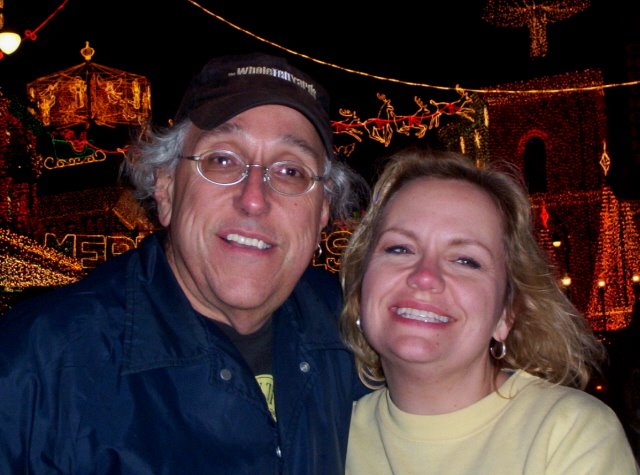
After visiting Charles' blog spot, I believed that I needed to join in the fun. So I've added this site to my blogging experience. Watch here and the "myspace" site for my blogging/journaling with you throughout the term.
The journaling we did today in class was focused on reading/viewing--that is the difference between reading a text and viewing a website. The class visited a site, the National Museum of the American Indian. Students were to browse the site and reflect on the "viewing" of the site, then address the "textual" information located there.
I started the journal/blog on "myspace," then I found this site. I am doubling up to assure that I always have models for my students to review. The most obvious issue when visiting the site is to note the Macromedia Flash action--and watch the totem images appear then slide to the right. We don't have this sort of experience when we read. Text does not move like the images. Text is stationary. And for a postmodern, post MTV generation, I am convinced that movement is critical for capturing an audience's attention.
I am experimenting--not only in using the space as my students are using it for journaling, but also to see what media I may be able to embed. For example. . .one article I found at the NMAI site was titled, "Our Peoples: Giving Voice to Our Histories." This title echoed with me since I fundamentally believe that many, many students--just like the Native American--have lost their "voices" in the process of public education. There was a struggle for holding on to the identity as Native Americans--just like students have to struggle to maintain their identity.
As I reflected along these lines, I was reminded of Pearl Jam's "Jeremy"--a song about a young man who is also struggling to hold on or to discover something about himself. I have thought about embedding the video here:
The video I embedded is not available for embedding any more; however, I would still like to direct you to this unedited version of "Jeremy." One reason I believe you need to have this access is that we are already forgetting our past: I talked with a group of students recently and they had NOT heard about Columbine. Songs like "Jeremy" remind us of so many things and we cannot afford to forget.
Subscribe to:
Posts (Atom)